




© 2024 Todos los Derechos Reservados. Daphne Accesorios
Sitio Web Desarrollado y Alojado por BloggerPriseContenidos Web

The psychology behind risk Understanding the mental effects of gambling
Risk-taking is an intrinsic part of human nature, and gambling epitomizes this behavior. The thrill associated with placing a bet taps into our evolutionary instincts, where the potential for reward can often outweigh the fear of loss. When individuals engage in gambling, they experience a rush of adrenaline, akin to that felt in high-stakes situations. This rush can create an addictive cycle, making the act of gambling more appealing as players chase that next big win. To enhance your experience, you can always access the casinobossy casino login for a variety of exciting games.

The concept of «near misses» further enhances this allure. When players come close to winning—such as rolling a number just shy of a jackpot—they often perceive it as a sign that victory is within reach. This psychological effect can lead to increased gambling activity, as the brain releases dopamine, reinforcing the behavior. Such mechanisms illustrate how our minds can skew perceptions of risk and reward, leading us to engage in activities that may not be in our best financial interest.
Cognitive biases significantly impact how individuals perceive risk in gambling scenarios. One common bias is the illusion of control, where players believe they can influence the outcome of random events. For instance, a player might think that choosing specific numbers in a lottery increases their chances of winning. This false sense of control can prompt people to gamble more frequently, believing their strategies will lead to success.
The psychology of gambling is intricately linked to addiction and compulsive behavior. For some individuals, the thrill of gambling can escalate into a compulsive habit, affecting various aspects of their lives. This form of addiction often leads to neglect of responsibilities, relationship breakdowns, and financial hardship. The brain’s reward system becomes hijacked, prioritizing the pursuit of gambling over essential life activities.
Treatment for gambling addiction typically involves psychotherapy and support groups. Cognitive Behavioral Therapy (CBT) has proven effective in addressing the thought patterns and behaviors that contribute to compulsive gambling. By identifying triggers and developing healthier coping mechanisms, individuals can learn to manage their urges and re-establish balance in their lives.
Gambling is not merely an individual pursuit; it often involves social dynamics that can amplify its psychological effects. Environments such as casinos are designed to heighten excitement and foster social interaction. The presence of other players can create a sense of camaraderie, making it more difficult to recognize when one has crossed the line from enjoyment into compulsion.
Peer influence can also play a significant role in gambling behavior. Individuals may be more likely to gamble if their friends or family engage in similar activities. This social validation can lead to increased risk-taking, as people often underestimate the potential negative consequences, swayed by the shared experience of fun and excitement.
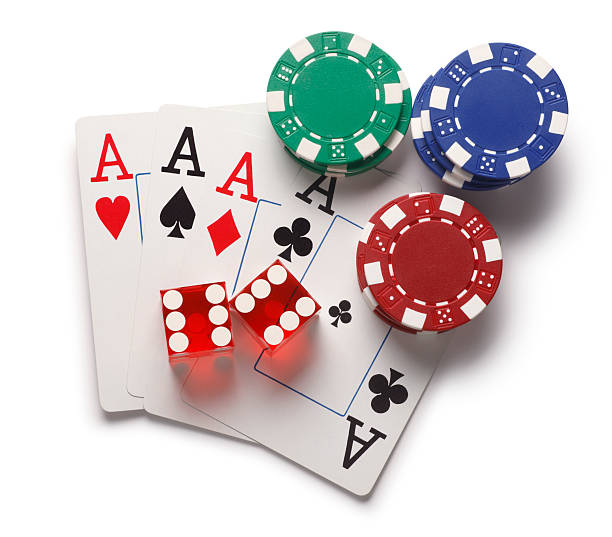
CasinoBossy recognizes the importance of promoting responsible gaming practices. With a vast selection of games, the platform aims to create a safe environment for players to enjoy their favorite activities. It offers various tools to help individuals manage their gambling habits effectively, including deposit limits, self-exclusion options, and access to educational resources.
By fostering a culture of awareness and responsibility, CasinoBossy ensures that players can fully appreciate the thrill of gambling while maintaining control over their activities. The platform’s commitment to player welfare reflects a broader understanding of the psychological aspects of gambling, highlighting the need for balance in enjoying the potential rewards without succumbing to the risks.
«`